Please keep in mind that this website is supported by affiliate links to products we recommend. When you buy something that’s recommended, we may get an affiliate commission — but it never affects your price or what we pick. And we would NEVER recommend something that we do not trust or believe in.
Hi All,
I hope that you’re having a fantastic day so far. As for Myself, I’m doing well. All things considered. Just feeling like there’s never enough time to do the things that need to be done.
Simple Daily life things like work, school, commuting, and traffic jams are just a few things that make us feel as though we need more than a 24-hour day. Let’s assume you sleep for eight hours nightly; that leaves 16 hours for getting things done.
If you work or go to school, you can subtract another eight hours. Now you have only 8 hours to do your miscellaneous stuff; grooming, cooking, and eating meals, do the dishes, enjoy entertainment, clean the house, run errands, walk the dog, pay bills, and more. Very little time, if any, is left for hobbies, playing sports, having fun, spending time with family, or socializing with friends.
If you feel overwhelmed and as though there is never enough time, acquiring time management skills can help you significantly.
What is Time Management?
Time management is planning and tracking how you spend your time. With practice, you can develop the skills necessary to take control of your life and eliminate being overwhelmed by having too much to do.
The Benefits of Time Management
A study published by the National Library of Medicine concluded that “Time management impacts well-being and life satisfaction to a greater extent than performance.”
Other benefits of time management include reduced stress, increased productivity and efficiency, control of your time, and the ability to meet deadlines.
This article aims to share some time management strategies to help you live a balanced life.
How can I manage my time?
Plan Your Day
Create a roadmap for your day the night before. Start by listing the tasks that you must or want to complete.
- Now that you have a ‘to do’ list for the next day, categorize each item by ‘must do,’ ‘should do,’ and ‘low priority.’
- Prioritize each ‘must do’ item, with the most important must-do task first. Follow the same approach for ‘should do’ and ‘low priority’ tasks.
- Are any of your tasks large or may it take more than a day to complete? If so, break the task down into smaller pieces for manageability.
- Can you delegate tasks to others?
- As you make your daily plan, factor in downtime to relax and re-energize.
Once you have your prioritized list, you can start the next day knowing what you need to accomplish. Start with the highest priority and work through the list in order. Any leftover tasks can be reprioritized for the next day.
Things to Avoid
Distractions
You can save time by preventing things that distract you from your planned activities and goals. For example, disregard emails and phone calls while focused on a task. Also, set boundaries so that others know when you are available.
Suppose you block out a couple of hours daily to have some relaxation time or work on tasks that require total concentration. Share your availability and the reason with others that need to know. Think of it as the same as “work” time. If your boundaries are breached, gently remind the person of the boundaries you’ve set.
It’s OK to Say No
When asked to do something that doesn’t fall within your plan, you have the option to say ‘no’ and briefly explain why. When you take on last-minute tasks that disrupt your plan, you may feel frustrated and more overwhelmed because you didn’t complete what you intended.
Multitasking
Juggling multiple tasks at the same time is not beneficial. It splits your attention, making it difficult to focus. You should focus on one task at a time for clarity and efficiency. Multitasking may actually take more time and leave you feeling frustrated and overwhelmed.
Expect the Unexpected
Even the best plans can be disrupted by unforeseen events. Allow some float and flexibility for unknowns and be kind to yourself if the day didn’t go as planned.
Conclusion
We can accomplish more by having a daily plan and avoiding behaviors such as multitasking. You own your time; that’s not selfish. We must spend our time wisely for our well-being and a balanced life.
Respectfully,
Mario
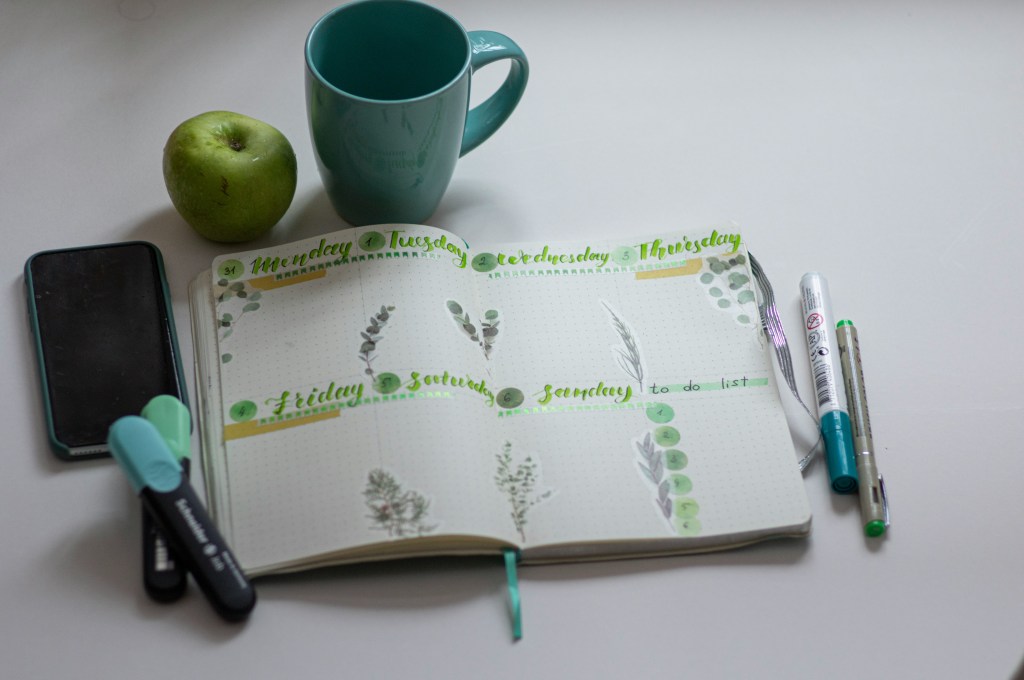
Photo by Elena Mozhvilo on Unsplash
Affiliate link: https://www.boxabl.com/order?ref=yzu5nge
Referenceshttps://www.ncbi.nlm.nih.gov/pmc/articles/PMC7799745/



 Live to Thrive
Leave a comment