Please keep in mind that this website is supported by affiliate links to products we recommend. When you buy something, we recommend, we may get an affiliate commission — but it never affects your price or what we pick. And we would NEVER recommend something that we do not trust or believe in.
Hi All,
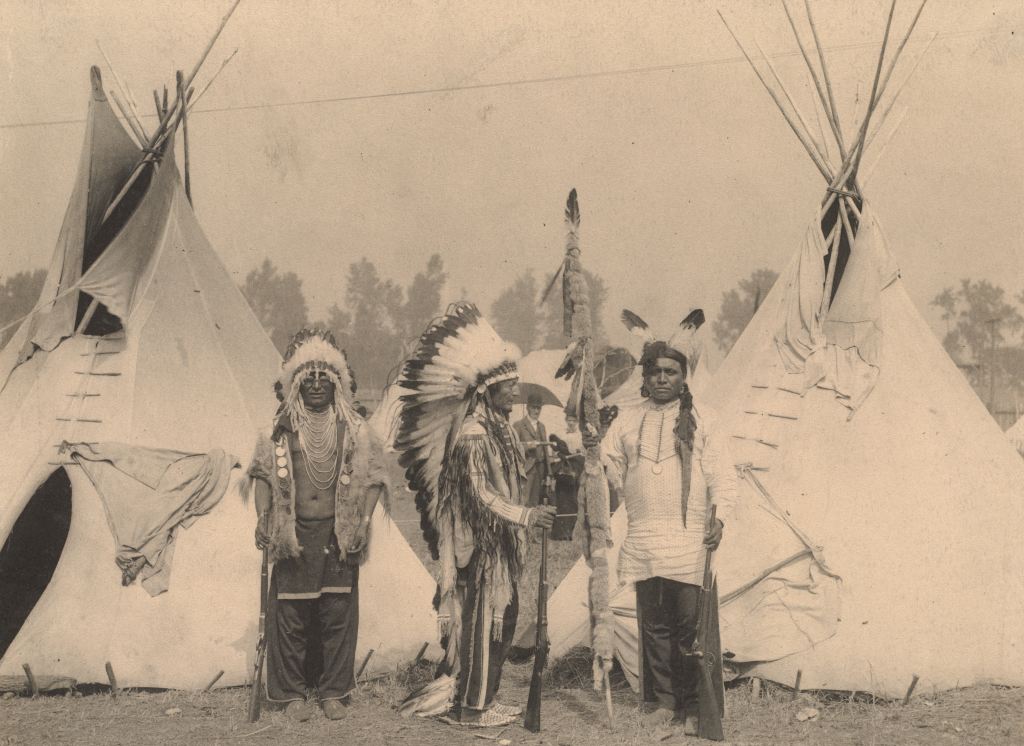
Native American Heritage Month is a time to honor and celebrate the diverse cultures, histories, and contributions of the indigenous peoples of the Americas. It is also a time to raise awareness and educate the public about the challenges and issues that Native Americans face today. In this essay, I will explain the origins, purpose, and significance of this commemorative month.
Native Americans are the original inhabitants of the lands that now make up the United States of America. They have a rich and diverse history and culture that spans thousands of years and hundreds of tribes. Native Americans have contributed to American culture in various areas, such as arts, agriculture, medicine, and warfare.
The origins of Native American Heritage Month can be traced back to the early 20th century when Native American leaders and activists advocated for a National Day of Recognition for their people.
- One of them was Dr. Arthur C. Parker, a Seneca Indian and the director of the Museum of Arts and Science in Rochester, New York. He persuaded the Boy Scouts of America to adopt a day for honoring the “First Americans” in 1915.
- Another was Red Fox James, a Blackfeet Indian who rode on horseback across the country to gather endorsements from 24 state governments for a national Indian day in 1915.
- However, it was not until 1986 that President Ronald Reagan proclaimed the week of November 23-30 as “American Indian Week”3.
- In 1990, President George H. W. Bush declared the month of November as “National American Indian Heritage Month“, and since then, every president has issued a similar proclamation each year.
The purpose of Native American Heritage Month is to recognize and appreciate the rich and diverse cultures of the Native Americans, who have inhabited and shaped this land for thousands of years. Native Americans have contributed to every aspect of American life, from arts and agriculture to medicine and warfare.
Art and Culture
One of the most visible contributions of Native Americans to American culture is their art. Native Americans have created rock and cave paintings, pottery, baskets, jewelry, masks, totem poles, and other forms of artistic expression that reflect their beliefs, traditions, and stories. Some of these artworks have become symbols of American identity, such as the Statue of Liberty, which was inspired by the Iroquois Confederacy, or the Lincoln Memorial, which was modeled after a Maya temple. Native American art has also influenced modern artists, such as Georgia O’Keeffe, Jackson Pollock, and Andy Warhol.
They have created rock and cave paintings, pottery, baskets, jewelry, and clothing that reflect their artistic vision and spiritual beliefs.
Agriculture
Another area where Native Americans have contributed to American culture is agriculture. Native Americans introduced crops like corn, beans, squash, potatoes, tomatoes, peppers, peanuts, chocolate, and tobacco to the European settlers, who adopted them as staples of their diet and economy. Native Americans also invented techniques of enriching soil and building raised garden plots, which improved crop yields and prevented erosion. These agricultural innovations helped shape the American landscape and cuisine.
Warfare
Another aspect of American culture where Native Americans have contributed is warfare. Native Americans served with distinction in every major American conflict, from the Revolutionary War to the present day. They fought as allies or enemies of the colonists, the British, the French, the Spanish, and the Americans, depending on their interests and alliances. They also developed weapons and tactics that influenced American military strategy, such as the tomahawk, the bow and arrow, the guerrilla warfare, and the code talkers, who used their native languages to transmit secret messages during both World Wars.
Medicine
Native Americans have also contributed to American culture in the field of medicine. Native Americans used plants for anesthetics and pain relievers, such as willow bark, which contains salicylic acid, the active ingredient in aspirin. They also used plants for treating wounds, infections, fevers, and other ailments, such as aloe vera, echinacea, sage, and mint. Native Americans also practiced surgery, dentistry, and bone-setting, and developed methods of immunization, such as variolation, which involved exposing people to smallpox scabs to induce immunity.
The significance of Native American Heritage Month is to celebrate the resilience, strength, and perseverance of the Native Americans, who have endured and overcome centuries of oppression, discrimination, and injustice. Despite the loss of their lands, languages, and cultures, they have maintained their identities, traditions, and values. They have also influenced the political and social movements of the United States, such as the civil rights, environmental, and women’s rights movements. They have advocated for their rights, sovereignty, and self-determination, as well as for the protection of their sacred sites, natural resources, and cultural heritage. They have also shared their wisdom and perspectives on issues such as peace, justice, and harmony with nature.
In conclusion, Native American Heritage Month is a meaningful and important celebration that honors the past, present, and future of the Native Americans. It is a time to acknowledge their achievements, contributions, and struggles, as well as to learn from their cultures, histories, and experiences. It is also a time to respect their diversity, dignity, and humanity, and to appreciate their role and place in the American society. By celebrating Native American Heritage Month, we can foster a better understanding and appreciation of the Native Americans and promote a more inclusive and respectful society for all.
Respectfully,
Mario



 Live to Thrive
Leave a comment