
Please keep in mind that this website is supported by affiliate links to products we recommend. When you buy something, we recommend, we may get an affiliate commission — but it never affects your price or what we pick. And we would NEVER recommend something that we do not trust or believe in.
Hi All,
Meditation is a practice of focusing one’s attention on a single object, thought, or sensation, such as breath, a mantra, or a candle flame. Meditation can have various benefits for beginners, such as reducing stress, improving mood, enhancing concentration, and promoting well-being.
Meditation is not a complicated or mysterious activity. Anyone can learn to meditate and enjoy its positive effects. However, many beginners may feel intimidated or confused by the idea of meditation. They may wonder how to start, what to do, or what to expect. In this essay, I will provide some basic guidelines and tips for meditation for beginners.
The first step to start meditating is to choose a suitable time and place. Ideally, you should meditate in a quiet and comfortable environment, where you will not be disturbed or distracted by noise, people, or devices. You should also choose a time when you are not too tired or too busy, so that you can dedicate at least 10 to 15 minutes to your practice. You can meditate in the morning, before starting your day, or in the evening, before going to bed, or any other time that suits you.
The second step is to choose a meditation technique that works for you. There are many types of meditation, such as mindfulness, transcendental, Zen, vipassana, and so on. Each one has its own method and purpose, but they all share the same goal: to train your mind to be more aware and calmer. You can explore different techniques and find the one that resonates with you the most. However, for beginners, it is recommended to start with a simple and easy technique, such as breath awareness.
Breath awareness is a form of meditation that involves focusing your attention on your natural breathing pattern. You do not need to change or control your breath, just observe it as it flows in and out of your body. You can also use a word or a sound, such as “in” and “out”, or “om”, to help you stay focused on your breath. Whenever your mind wanders away from your breath, gently bring it back without judging yourself.
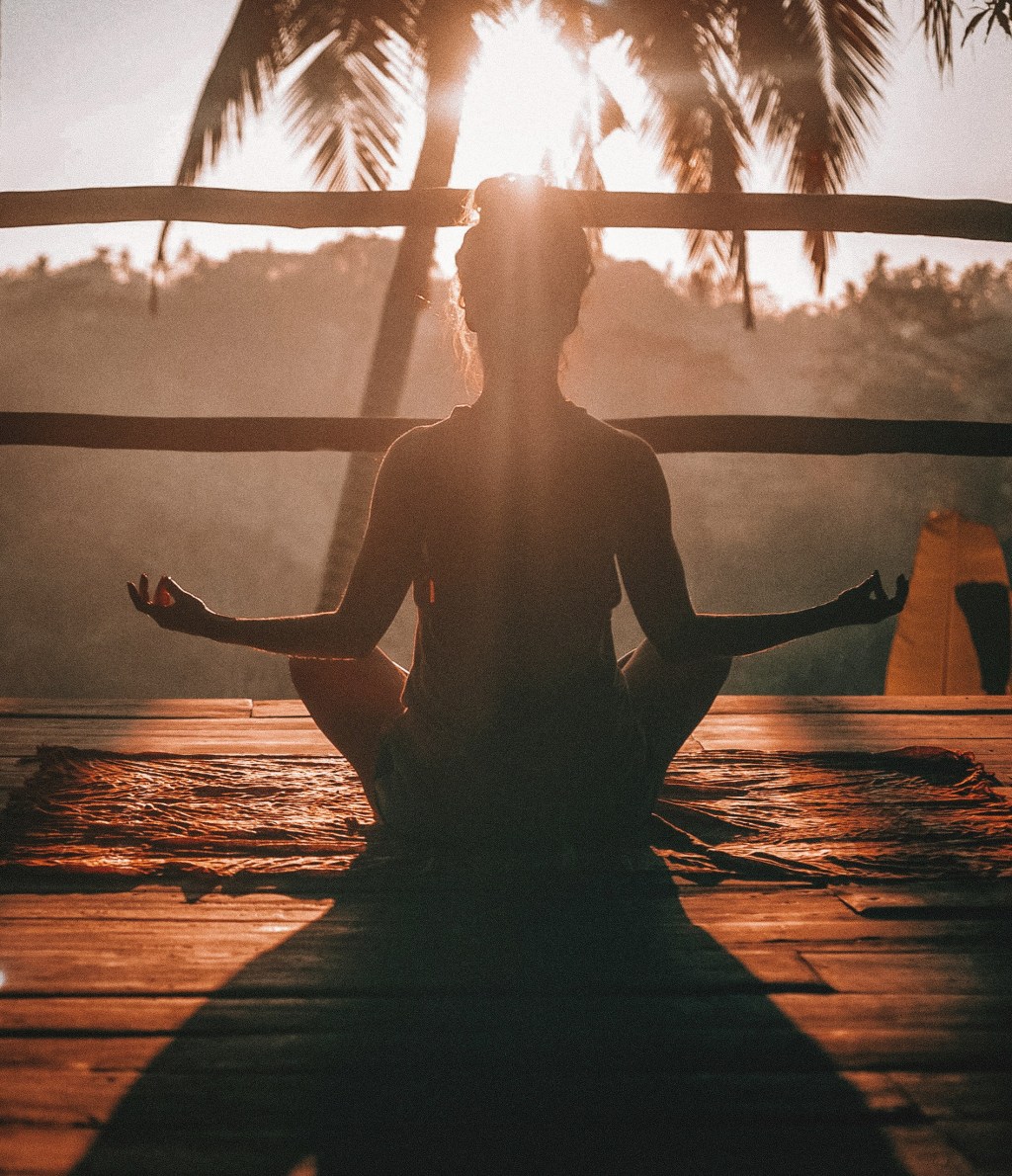
The third step is to adopt a comfortable and stable posture. You can sit on a chair, on a cushion, on the floor, or anywhere else that allows you to keep your spine straight and relaxed. You can also lie down if you prefer, but make sure you do not fall asleep. You can close your eyes or keep them slightly open, depending on what feels more natural for you. You can also place your hands on your lap, on your knees, or in any other position that feels comfortable.
The fourth step is to start meditating. Once you have chosen your time, place, technique, and posture, you are ready to begin. Set a timer for the duration of your session, such as 10 minutes, and start by taking a few deep breaths to relax your body and mind. Then, gradually shift your attention to your chosen object of meditation, such as your breath. Try to stay focused on it as much as possible, without forcing or straining your mind. If you notice any thoughts, feelings, sensations, or sounds arising in your awareness, do not react to them or follow them. Simply acknowledge them and let them go and return to your object of meditation.
The fifth step is to end your session gracefully. When your timer goes off, do not rush to get up or resume your activities. Instead, take a moment to appreciate yourself for taking the time to meditate and notice how you feel after the session. You may feel more relaxed, calm, alert, or happy. You may also notice some changes in your body, such as lower blood pressure, slower heart rate, or reduced muscle tension. Gradually open your eyes and stretch your body gently before moving on with your day.
Meditation is a simple and effective way to improve your physical and mental health. By following these steps, you can start your own meditation practice and experience its benefits for yourself. Remember that meditation is not a goal-oriented activity; it is a process of learning and growing. Do not worry about doing it right or wrong; just do it regularly and enjoy it.
Mario


 Live to Thrive
Leave a comment